







Search Results for: Mexico COE

2024 Mexico COE Competition Results Announced: An In-Depth Analysis of the Three Major Winning Varieties—Obata, Marsellesa, and Oro Azteca
As one of the most influential competitions in the global specialty coffee field, the Cup of Excellence (CoE) attracts top estates from producing countries to compete every year. The results of the 2024 Mexico COE competition have recently been officially announced. This edition of the competition, for the first time, adopted a grouping mechanism with three major categories: traditional washed, traditional natural and honey process, and experimental process. The list of winners includes both classic varieties well known to the public, such as Geisha and Bourbon, as well as relatively rare disease-resistant and high-yield varieties such as Obata, Marcelexa, and Oro Azteca. This article will guide you through an in-depth understanding of the breeding background, botanical characteristics, and cultivation performance of these three distinctive varieties, while also providing an overview of this edition's judging and auction mechanisms. [more…]
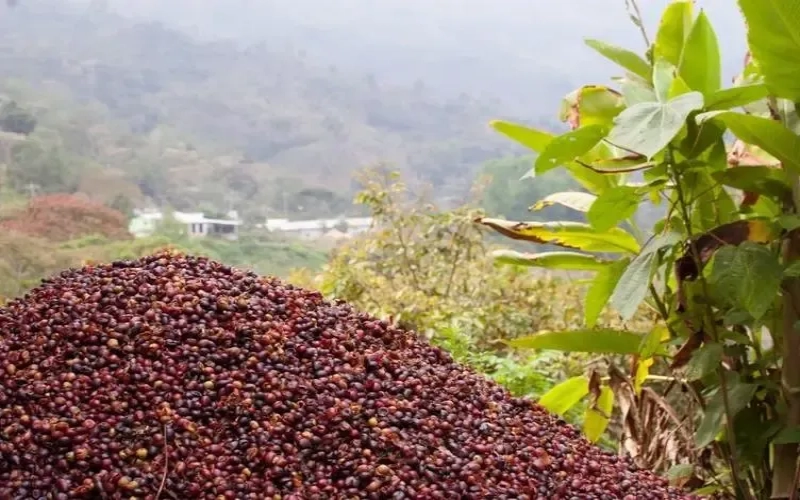
2024 Mexico COE Double Champion Las Nieves Estate: The 91.13-Point Legend of Oaxaca Geisha
Mexico, as the world's tenth-largest coffee-producing country, has performed remarkably well in specialty coffee in recent years. In the 2024 Mexico COE competition, the Las Nieves cooperative from the state of Oaxaca won the Traditional Washed and Honey Processing category with a Geisha variety, scoring 91.13 points. This estate, originally established in 1880, was abandoned and then taken over again in 2006 by Gustavo Boltjes Rising, who revived it through technological improvements and varietal diversification. This article will guide you through an overview of Mexico's coffee-growing regions, the history and revival journey of Las Nieves estate, and its relentless pursuit of quality. Front Street Coffee will also recommend related products for you. [more…]
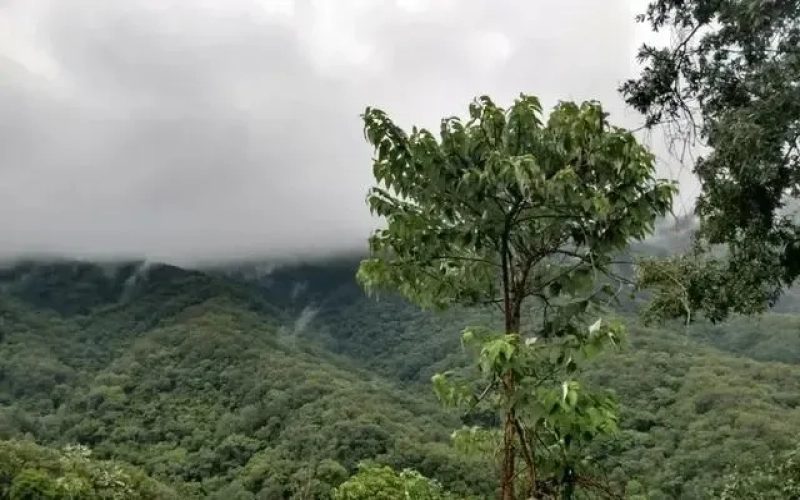
A Tour of Mexico's Coffee Industry: Terroir of the Veracruz Region and an Analysis of La Perla Farm
Mexico, as the world's tenth-largest coffee-producing country, has seen its coffee industry go through a winding journey from its introduction during the colonial period to its modern development toward specialty coffee. Thanks to its superior geographical and climatic conditions, the state of Veracruz has become one of Mexico's four core production regions, nurturing numerous high-quality estates. Among them, La Perla Farm won the 2024 Mexico Cup of Excellence washed category championship with a score of 90.79, growing varieties such as Bourbon, Geisha, SL28, and Pacamara. Front Street Coffee takes you deep into the terroir code and industrial transformation of this land. [more…]
Starbucks' Ninth Global FSC Opens in Chiapas, Mexico: A Full Breakdown of Regional Flavors, Varieties, and Processing Methods
At the northernmost tip of the Coffee Belt lies an underrated high-quality origin—Mexico. Dominated by smallholder traditions, it produces about 5 million bags a year, making it a pivotal coffee supplier in North America. From Veracruz to Oaxaca, and on to the highlands of Chiapas bordering Guatemala, Mexican coffee displays a unique character that is mild and delicate, sweet and richly aromatic. In 2016, Starbucks opened its ninth global Farmer Support Center (FSC) in Chiapas, injecting new vitality into this land. This article will give you a comprehensive understanding of the history of Mexican coffee, its main producing regions, representative estates, variety characteristics, and washed processing method, and will specially present Front Street Coffee's recommendations and insights on Mexican beans. [more…]
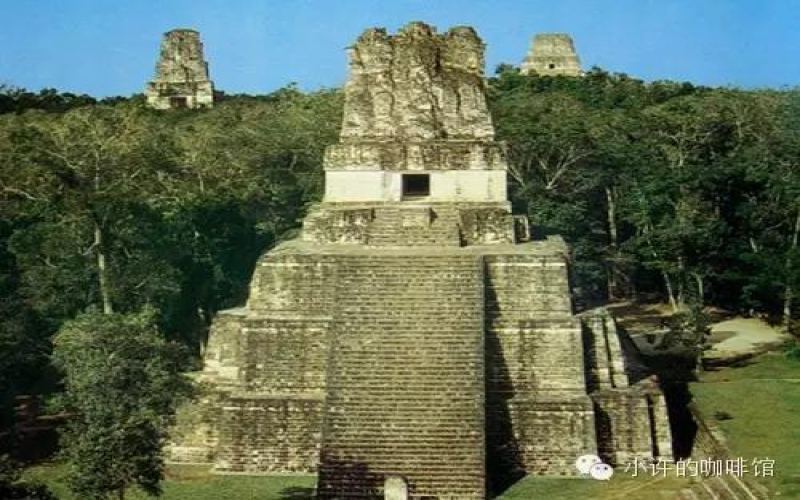
The Coffee Gem of Central America, Guatemala: A Complete Flavor Analysis of Seven Major Producing Regions from the Highlands of Huehuetenango to Classic Antigua
Guatemala, a Central American country whose name means "land of forests" in Mayan, is not large in territory, yet thanks to its volcanic soil, varied climate, and high-altitude environment, it has become the world's eighth-largest coffee producer. This article will take you through the history and grading system of Guatemalan coffee, analyze the seven major specialty regions one by one, and focus on the two star origins: Huehuetenango and classic Antigua. You will experience the signature floral notes, bright acidity, and bittersweet chocolate of Front Street Guatemalan coffee, as well as Antigua's unique "volcanic smokiness," while also learning how the choice of roast level affects its flavor expression. [more…]
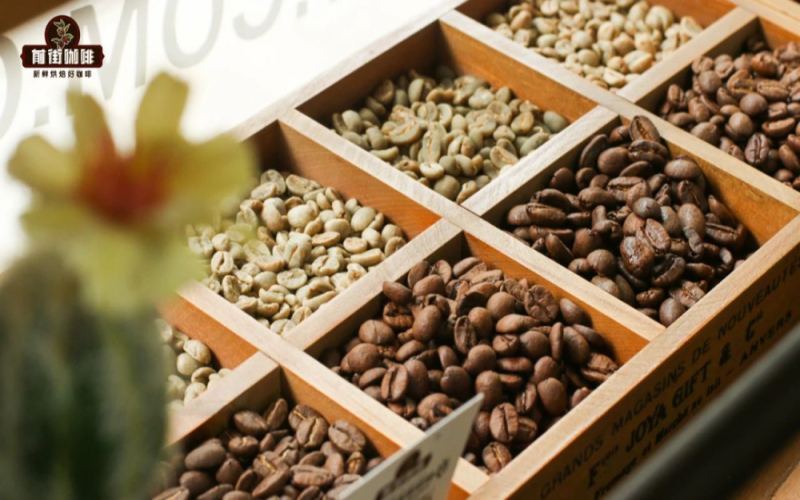
A Complete Analysis of the Maragogype Coffee Variety: Size Measurements and Flavor Characteristics of Maragogipe
Maragogype is a natural mutation of the Typica variety, with beans that can reach three times the size of ordinary Arabica, found mostly across Central American countries. These giant coffee beans are not only eye-catching in appearance, but when grown at high altitude under shade, they can develop a sweetly aromatic, rich and balanced flavor, earning them the nickname "Central American Blue Mountain." This article will start with the variety's origins, the mesh measurement method, and the flavor differences across producing regions, and combine Front Street Coffee's roasting and brewing experience to give you a comprehensive understanding of this rare and fascinating coffee variety. [more…]
A Comprehensive Guide to the Flavor Characteristics and Brewing Parameters of Guatemala El Injerto Estate Geisha Coffee Beans
Guatemala has become a major specialty coffee stronghold thanks to its volcanic soils and microclimates, and among its estates, El Injerto is renowned for its record of multiple CoE victories, with its Geisha lots repeatedly fetching high prices in global auctions. This article systematically reviews the origins of El Injerto's Geisha variety and the background of its auction lots, and further introduces Guatemala's overall growing environment, the division of its eight major regions, its main cultivated varieties, and its washed processing methods. At the same time, drawing on Front Street Coffee's roasting and brewing practices, it provides specific parameters and flavor descriptions for two representative beans, the medium-light roasted Huehuetenango and Flor del Café, offering coffee enthusiasts a complete reference from origin knowledge to everyday brewing. [more…]
Hurricane John Devastates Southern Mexico's Coffee Belt: 16 Dead, 100,000 Households Without Power, New Crop Under Pressure
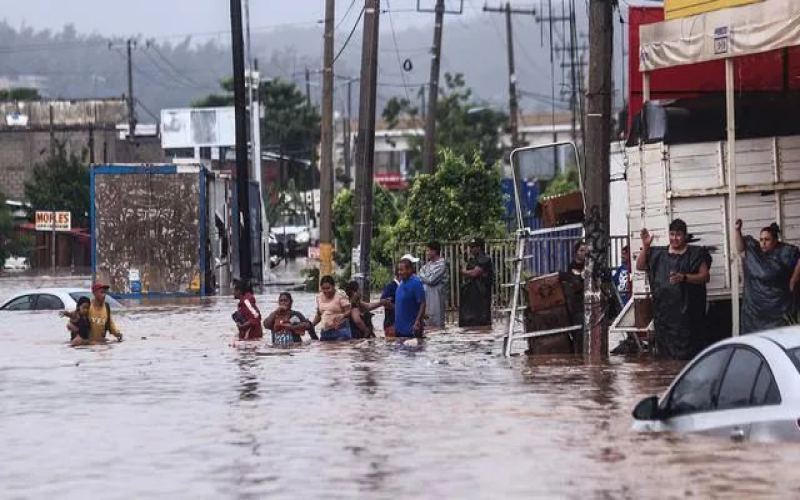
After Hurricane "John" made landfall in southern Mexico, it caused at least 16 deaths, damaged more than 700 homes, and left about 100,000 users without power, with Guerrero and Oaxaca states hit especially hard. More critically, 95% of Mexico's coffee production is concentrated in the south, and the current period is when coffee is fruiting; torrential rain knocked fruit off the trees, flooded coffee plants, and the risk of landslides compounded the damage, putting the expected increase in output for the 2024/25 season at risk of being revised downward. At the same time, global coffee prices are already at high levels due to reduced production in places such as Brazil and Vietnam, and with Mexico now hit by another climate shock, prices are unlikely to fall in the short term. [more…]

A Complete Analysis of the Flavor and Origin of Guatemala Huehuetenango Rose Estate Geisha Washed Coffee
This article provides an in-depth introduction to the Geisha washed coffee from Rose Estate in the Huehuetenango region of Guatemala, covering the estate's century-long history, its COE award experience, and the flavor characteristics of the Geisha variety, while also systematically outlining Guatemala's eight major coffee regions, coffee varieties, and the washed processing method. It also shares Front Street Coffee's roasting approach and V60 brewing parameters for two beans, Huehuetenango and Flor de Guatemala, offering coffee enthusiasts a complete reference from origin to cup. [more…]

Tropical Storm Carlotta Hits Mexican Coffee-Growing Regions, Adding Further Uncertainty to Production Prospects
Mexico's major western coffee-producing regions were recently hit by Tropical Storm Carlotta, with heavy rainfall, lightning, and hail posing a serious threat to coffee trees in their flowering stage. The states of Colima, Jalisco, Michoacán, and Nayarit produce about 15% of Mexico's coffee output, and roughly 80% of the country's coffee-growing area had already been affected by high temperatures and drought. Industry insiders expect yield losses could reach 50%. After the storm, neighboring states such as Oaxaca and Chiapas also face risks of flooding and landslides. Meanwhile, Mexico is striving to boost its coffee industry, with a production target of 3.89 million bags for the 2024/25 season, but a succession of extreme weather events has cast a shadow over this vision. [more…]

Clashes between drug cartels in Chiapas, Mexico, displace hundreds, and coffee production in the main growing region may be severely hit.
Recently, violent conflicts involving drug cartels broke out in Chiapas, southern Mexico, killing at least 19 people and forcing nearly 600 residents to flee to Guatemala for refuge. Chiapas is Mexico's largest coffee-producing region, accounting for 44% of the country's total output and home to about 178,000 coffee growers, mostly smallholder families. The conflict has driven many coffee farmers from their land, leaving coffee plantations unmanaged; combined with earlier drought that had already damaged 80% of the planted area, industry insiders expect the 2024/25 harvest to fall by as much as 50%. With production declining in many parts of the world and coffee prices remaining persistently high, Mexico's coffee supply is tightening further, and international market prices may come under even greater pressure. [more…]
A Complete Analysis of Mexico's Coffee Regions: Varieties and Terroir from Chiapas to Puebla
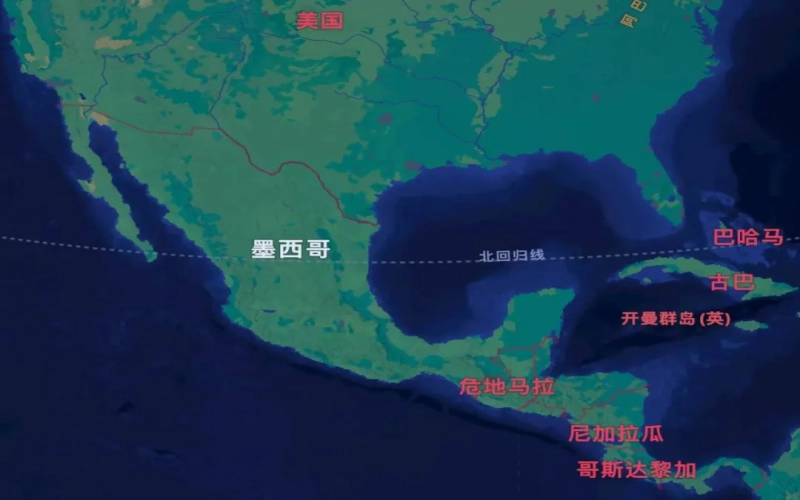
When people think of coffee-producing countries in North America, Guatemala, Panama, Costa Rica, or Jamaica often come to mind first, while Mexico remains relatively lesser-known—yet in recent years it has performed remarkably well. This third-largest country in Latin America boasts complex terrain and climate, where volcanic soil and high altitudes provide ideal conditions for coffee cultivation. Of the nation's more than 500,000 producers, the vast majority are smallholders with less than three hectares of land, and cultivation is concentrated in sixteen southern states, with four—Chiapas, Oaxaca, Veracruz, and Puebla—accounting for over ninety percent of total output. This article will guide you through Mexico's geography and climate, the terroir characteristics of its four major producing regions, and principal varieties such as Typica, Bourbon, Caturra, Pacamara, and Geisha, with a special introduction to Garnica, developed by the Mexican Coffee Institute. Front Street Coffee will also share related bean recommendations in this article. [more…]
Mexican Coffee Shops Rename Americano to Mexicano, Responding to U.S. Hardline Policies in the Name of Coffee
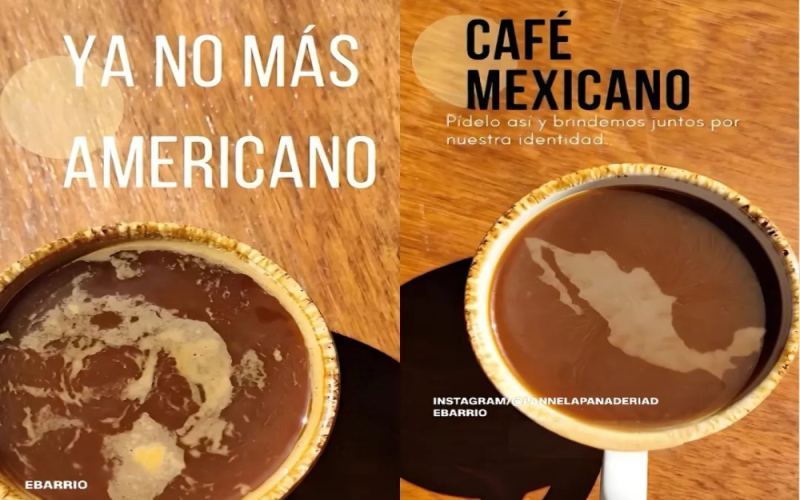
After Canadian cafés renamed the Americano as the Canadiano, coffee shop owners in many parts of Mexico have also kicked off a similar renaming trend, swapping Café Americano on their menus for Café Mexicano. Behind this seemingly small gesture is a collective response by the Mexican public to a series of hardline measures by the United States — its immigration policies, tariff threats, and the renaming of the Gulf of Mexico. From Mexico City to Monterrey and Guadalajara, the campaign is spreading rapidly through social media, and the name of a cup of coffee is turning into an expression of identity and political stance. [more…]
An In-Depth Analysis of Mexican Coffee: Cultivation History, Varieties and Processing, Grading, and Flavor Profile
Mexico is located in the southern part of North America, serving as a bridge between North and South America and standing as one of the world's important coffee-producing countries. This article provides a comprehensive introduction to the cultivation history, main producing regions, varieties, processing methods, grading standards, and flavor and taste characteristics of Mexican coffee. It covers well-known origins such as Chiapas and Oaxaca, analyzes representative coffee beans such as Altura and Liquidambar, and shares two classic Mexican coffee preparation methods—one alcohol-free and one with tequila—guiding you to deeply appreciate the rich aroma and unique charm of Mexican coffee. [more…]
An Analysis of Mexican Specialty Coffee Regions, Varieties, Cultivation, and Market Prices: A Brief Introduction to Flavor Characteristics and Brewing Methods
Mexico is a major coffee-exporting country, shipping about 70 percent of its beans to the United States, mostly for use as industrial-grade coffee. Despite favorable conditions such as high altitude, volcanic soil, and a suitable climate, Mexican coffee has long lacked a presence on the international specialty coffee stage. This article reviews Mexico's main coffee-producing regions, varieties, grading system, flavor characteristics, and market positioning, and introduces two classic ways of preparing Mexican coffee—one with alcohol and one without. It also retains Front Street Coffee's recommendations and product information for Mexican coffee, helping coffee lovers gain a comprehensive understanding of this underrated producing country. [more…]
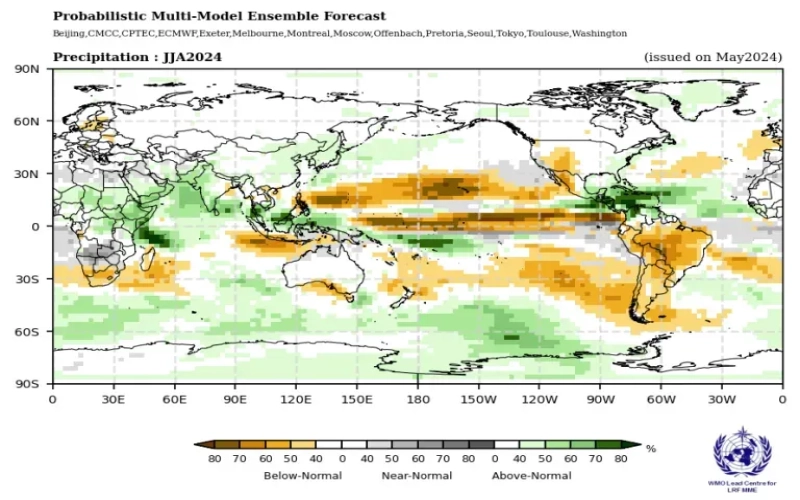
Extreme heat sweeps across coffee-growing regions in multiple countries: Vietnam, Brazil, and Mexico see clear production declines, while Colombia bucks the trend with increased output
Since the start of summer, many countries around the world have experienced sustained high temperatures, with sea surface temperatures generally elevated outside the near-equatorial eastern Pacific and land temperatures rising accordingly, dealing a blow to agricultural production including coffee. Vietnam has suffered its worst drought in nearly a decade, with coffee trees severely damaged; Indonesia is still weighed down by last year's drought, reducing the volume available for export; Brazil's output has fallen short of expectations, and about 80% of Mexico's planted area has been affected, with production cuts expected to reach as much as 50%. At the same time, Colombia's first-half output hit a three-year high. The widening scope of production cuts pushed the ICO composite coffee price index up 8.9% month on month, and La Niña weather may further aggravate volatility. [more…]
Five-Country Peaberry Flavor Comparison: Costa Rica, Mandheling, Tanzania, Mexico, and Hawaiian Kona
Peaberry is a special form of coffee cherry containing only a single seed, accounting for just 5% to 10% of the world's coffee production. Because it concentrates double the nutrients, its flavor tends to be more intense. This article conducts a cupping comparison of five peaberry coffees produced by Front Street Coffee—Costa Rica, Mandheling, Tanzania, Mexico, and Hawaiian Kona—using both pour-over and French press methods, recording aroma, acidity, body, and aftertaste. From Costa Rica's peanut aroma and pulpy off-flavors, to Mandheling's rich herbal sweetness, to Kona's gorgeous fruity acidity, each bean's personality and roasting suggestions are presented one by one, along with tips on storing green and roasted beans, for the reference of coffee enthusiasts. [more…]
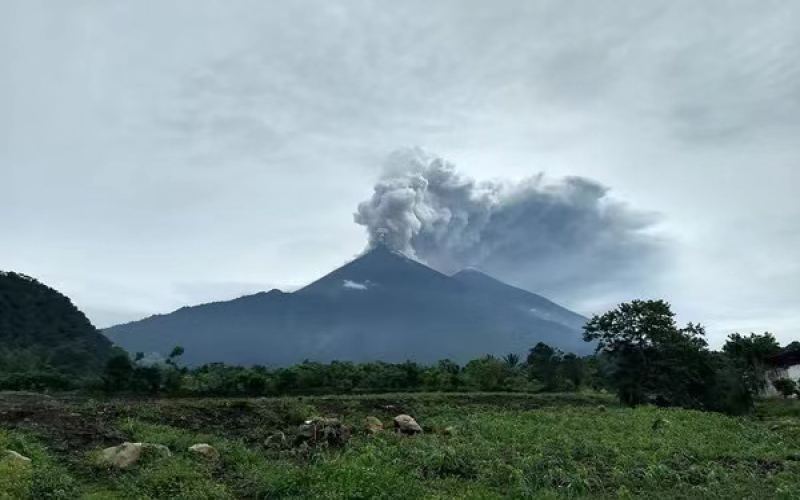
Guatemalan Geisha Coffee Producing Regions and Estates Review with Detailed Pour-Over Parameters
Although Guatemala is not a large country, it possesses an astonishing diversity of microclimates, from tropical rainforests to volcanic highlands, giving rise to distinctive specialty coffees. This article focuses on Geisha lots from two major Guatemalan estates—Acatenango Cooperative and La Bella Estate—breaking down everything from terroir and processing methods to cupping flavors, and includes a complete pour-over recipe from Front Street Coffee. If your curiosity about Geisha extends beyond Panama, this article will guide you through the unique floral aromas and sweet-tart layers of Guatemalan Geisha. [more…]
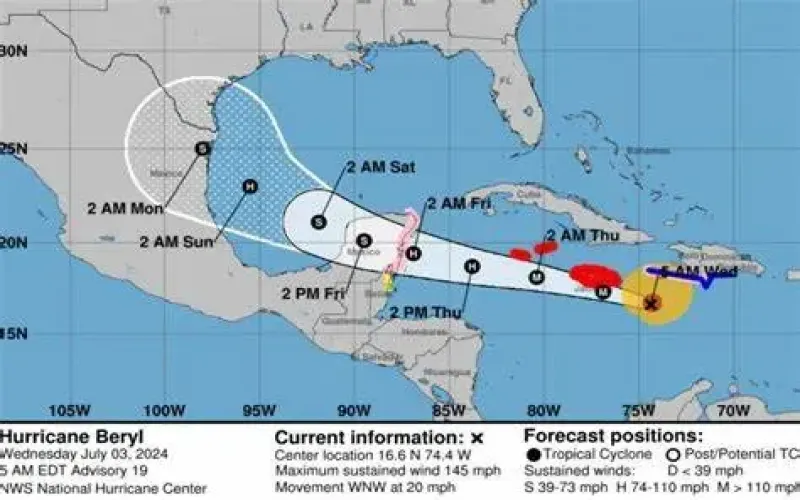
The Atlantic hurricane season is unusually active, and coffee-producing regions in Central America face a dual test of output and exports.
The 2024 Atlantic hurricane season was predicted by NOAA to be "extraordinary," with risk reaching up to three times the usual level. The first hurricane of the season, Beryl, intensified to Category 5 in July, devastating the Caribbean region, with the coffee industries of Jamaica, Haiti, the Dominican Republic, and other areas facing direct threats. Although Mexico's main coffee-producing regions are located in the south and the hurricane's path skewed northward, infrastructure damage and shipping disruptions could still indirectly affect the entire Central American coffee supply chain. Looking back at the devastation caused by Eta and Iota in 2020, the impact of hurricane season on the coffee flowering and harvest periods is especially lethal and may further exacerbate fluctuations in international coffee prices. [more…]
Flavor Comparison Between African Coffee Beans and Central and South American Origins: Estate Characteristics and Grading Systems from Mexico to Brazil
Africa and Central and South America are the world's two core coffee-producing regions, but due to differences in geography, processing methods, and varieties, their flavor profiles are completely different. Central American producing regions such as Mexico, Jamaica, and Brazil mostly present nutty, caramel, and mild acidity with a balanced mouthfeel, while African beans usually have distinct floral aromas and fruity acidity. This article will sort through the growing conditions, estate grading, and flavor characteristics of representative producing countries in Central and South America one by one, helping coffee lovers understand the essential differences between the beans of the two regions. If you want to experience the bright fruity acidity of African beans, Front Street Coffee's everyday drinking bean series is a good choice. [more…]